
Ordinary heat treatment and Controlled heat treatment defines the life of a die – HOW?
Dies used for aluminium and magnesium die casting operate under repeated thermal and mechanical stress, the right heat treatment is essential to maintain their hardness, dimensional accuracy, durability, and service life.
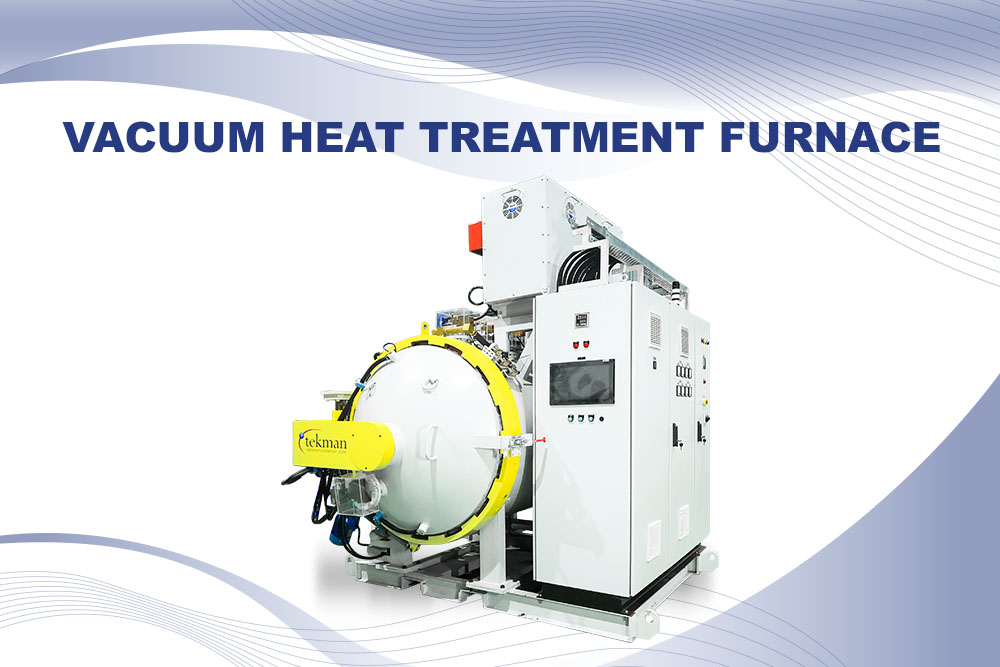
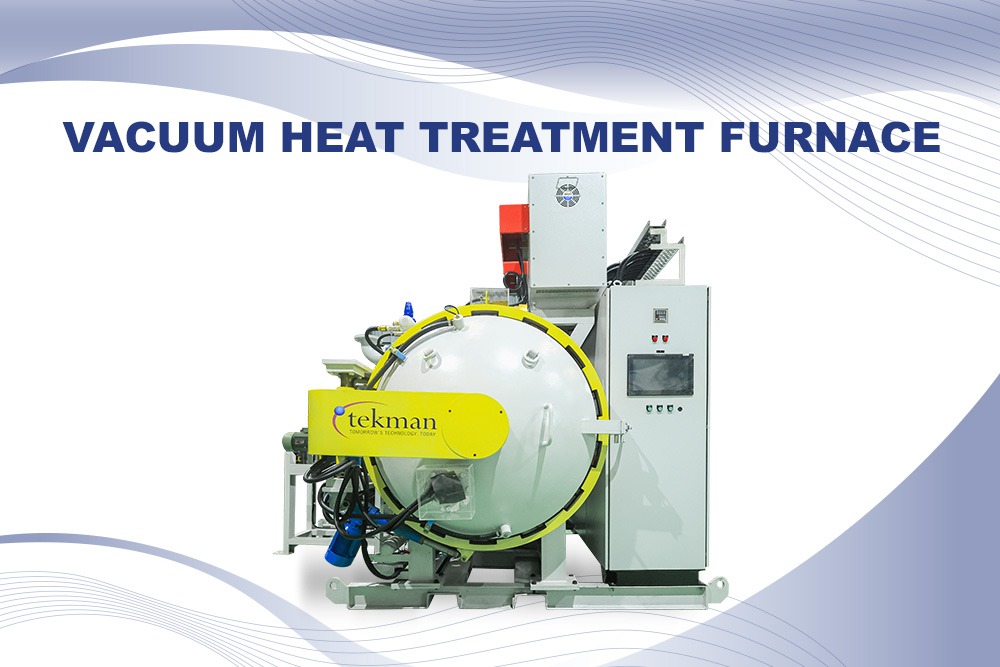
Vacuum heat treatment makes a significant difference – Conventional heat treatment is carried out in an atmospheric furnace; however, a vacuum furnace creates a controlled environment with minimal oxygen and contamination. The result – cleaner processing – better control over the heat treatment cycle – consistent metallurgical properties.
For manufacturers from industries such as automotive, aerospace, electrical equipment, and industrial machinery who want to improve die performance and reduce rework and maintenance, vacuum furnace technology is your best bet.
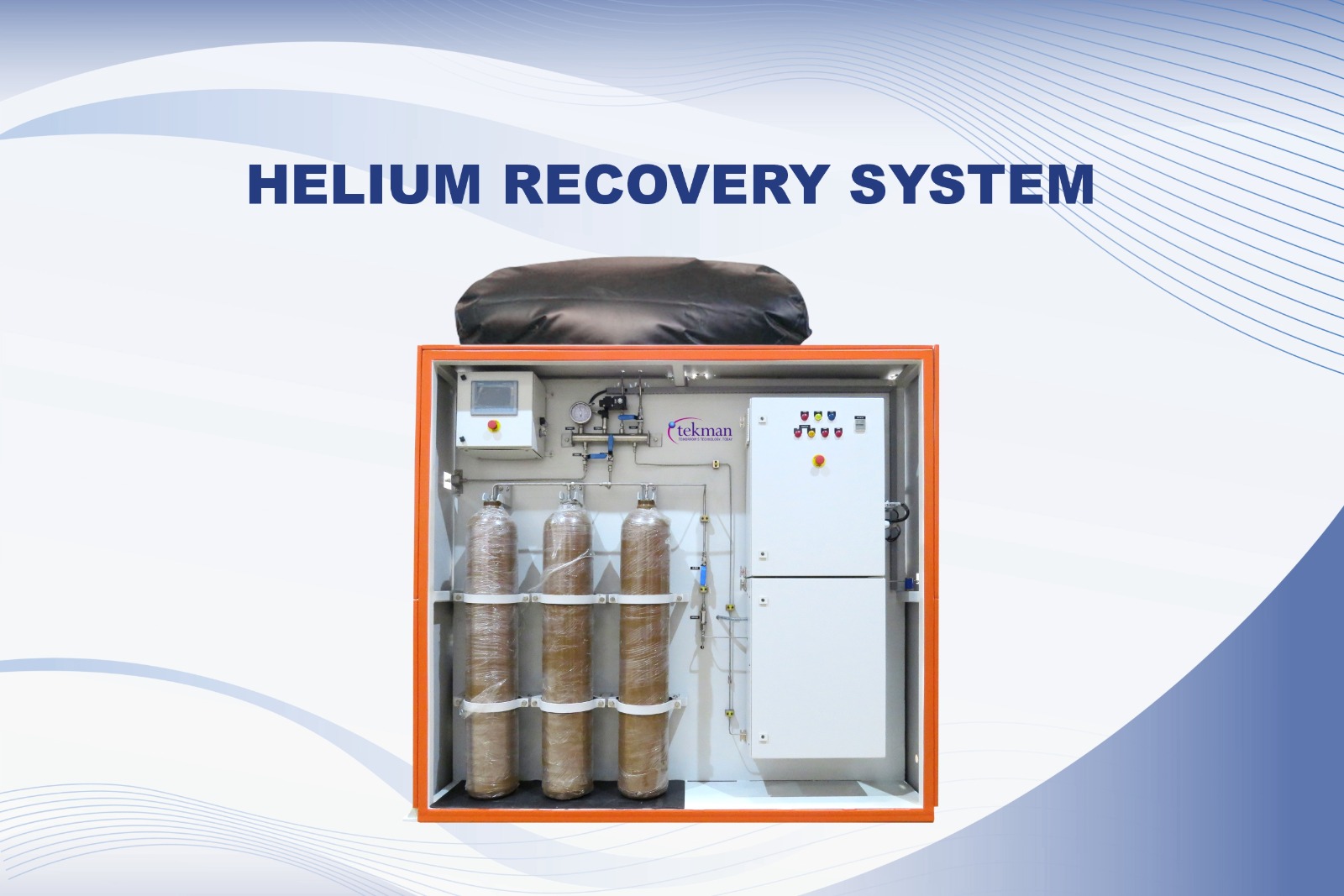
Tekman provides vacuum furnace solutions that are designed for precise and repeatable heat treatment to help manufacturers improve process control, productivity, and the long-term performance of their dies.
Why Vacuum Furnaces and not the Conventional Furnaces in Die Manufacturing
Conventional furnaces expose the component to oxygen and moisture during heating. Poorly controlled heat treatment can result in distortion, inconsistent hardness, residual stresses, premature cracking, and reduced die life.
- Oxidation leads to additional cleaning, grinding, or surface finishing after heat treatment.
- Excessive surface reaction affects dimensional accuracy or surface quality.
- Temperature variations lead to uneven transformation within the material. This leads to distortion and variations in hardness of die.
- For precision engineered complex dies, a small amount of distortion can create expensive downstream problems.
Controlled atmosphere advantages for die manufacturers:
1. Cleaner, Oxidation-Free Surfaces
In Vacuum heat treatment, oxidation during heating is low. Less oxygen – reduced formation of scale. Dies have a clean surface once out from furnace thereby reducing the amount of post-treatment cleaning and finishing required. For precision tooling, surface integrity is maintained.
2. Better Temperature Control
Modern vacuum furnaces are designed with multiple heating zones and sophisticated temperature monitoring systems. The heating cycle is controlled within <±5°C across the working chamber. Temperature uniformity helps ensure that components in the same batch receive consistent treatment.
For die manufacturers, this gives more predictable hardness and metallurgical properties from one batch to another.
3. Improved Mechanical Properties
Controlled heating and cooling cycles allow the material to develop the desired microstructure. Proper vacuum heat treatment improves tensile strength, fatigue resistance, wear resistance, and overall structural stability. These improvements are essential for dies exposed to cyclic loading, vibration, or high operating temperatures.
4. Lower Risk of Distortion
Thermal distortion is a major concern for complex dies with tight dimensional tolerances. A controlled heating cycle helps minimise sudden temperature differences within the component. Vacuum furnaces are equipped with high-pressure inert gas quenching. It allows controlled and rapid cooling without exposing the component to the problems associated with oil quenching.
The combination of controlled heating and controlled gas cooling helps to reduce deformation and improve dimensional stability. Less distortion – less corrective machining after heat treatment.
5. Process Control and Production Efficiency
Modern vacuum furnaces use:
- PLC-based automation - programmable heat treatment recipes
- Multi-zone temperature control
- Vacuum monitoring
- High-pressure inert gas quenching
- Cycle Data Recording & Trend for temperature, vacuum, pressure, alarms, and traceability
This gives excellent process repeatability, reduced operator dependency and batch-to-batch variation.
Minimized oxidation, scaling, and contamination leads to lower rejection rates, reduced finishing operations, improved production efficiency, and lower overall manufacturing costs. For industries where reliability and traceability are essential – consistent process control supports quality assurance.
The Future of Die Heat Treatment
As die casting moves towards lighter components, tighter tolerances, higher production speeds, and more demanding operating conditions, the importance of controlled heat treatment continues to grow.
For manufacturers: Lower rejection → Less rework → Better productivity → Longer die life → Lower manufacturing costs
Conclusion:
Vacuum furnace technology provides the controlled environment needed to achieve consistent metallurgical properties – connect with Tekman to know about their vacuum furnace solutions which is designed for demanding industrial applications.