
Why Is Helium Supply Becoming a Global Concern?
Commonly available industrial gases – oxygen and nitrogen – can be produced through conventional manufacturing methods. However, Helium is a naturally occurring element that is extracted mainly from specific underground natural gas reserves.
Helium reserves are limited, and the global production is done in few regions. The supply network is fragile and is easily affected due to unexpected events—such as plant maintenance, production disruptions, transportation challenges, or geopolitical issues. This impacts the availability and pricing of Helium for industries. Even a temporary shortage creates operational uncertainty for industries that rely heavily on helium-based processes.
Demand of Helium continues to Rise and Adds on to Pressure
- Helium is vital to cool superconducting magnets in MRI machines
- It enables precision processes in semiconductor manufacturing
- Vacuum furnace cooling applications
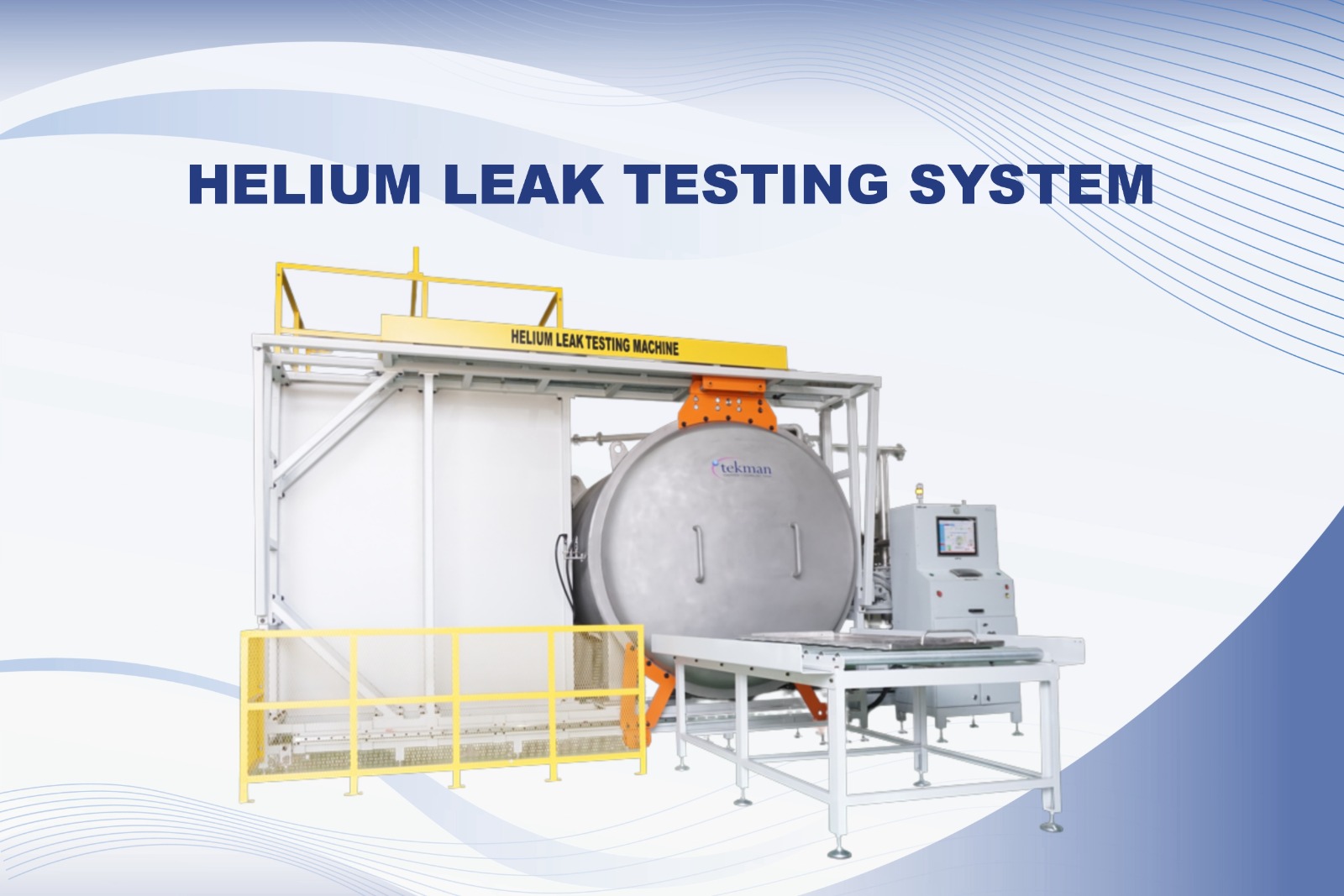
- Leak testing systems
- Aerospace testing
- Scientific research
- Welding and specialty manufacturing processes
The demand for Helium is high especially for industries dealing with electronics, healthcare infrastructure, and advanced manufacturing.
How Helium Shortages Impact Businesses?
- Higher operating costs: Highly priced helium directly impacts production expenses.
- Supply uncertainty: Companies will face difficulty to procure it on time and in required quantities.
- Production delays: Shortages will interrupt critical processes and affect delivery commitments.
- Reduced productivity: Limited helium availability can slow down operations and increase downtime risks.
Helium Recovery Systems: A Smarter Way to Manage Supply
Industries are now recalibrating – how can this valuable resource be managed. Instead of procuring fresh helium, can it be recovered, recycled, and reused?
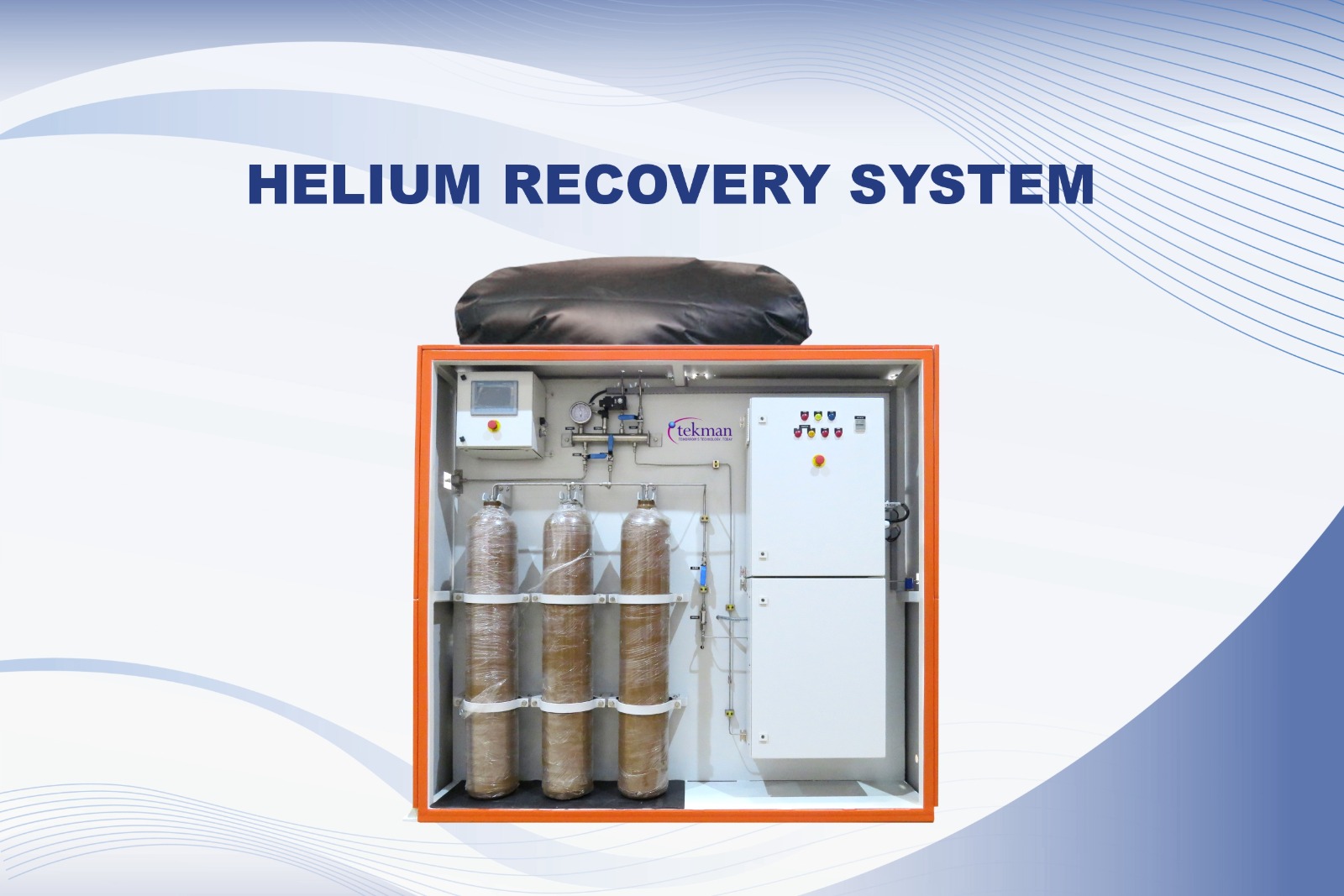
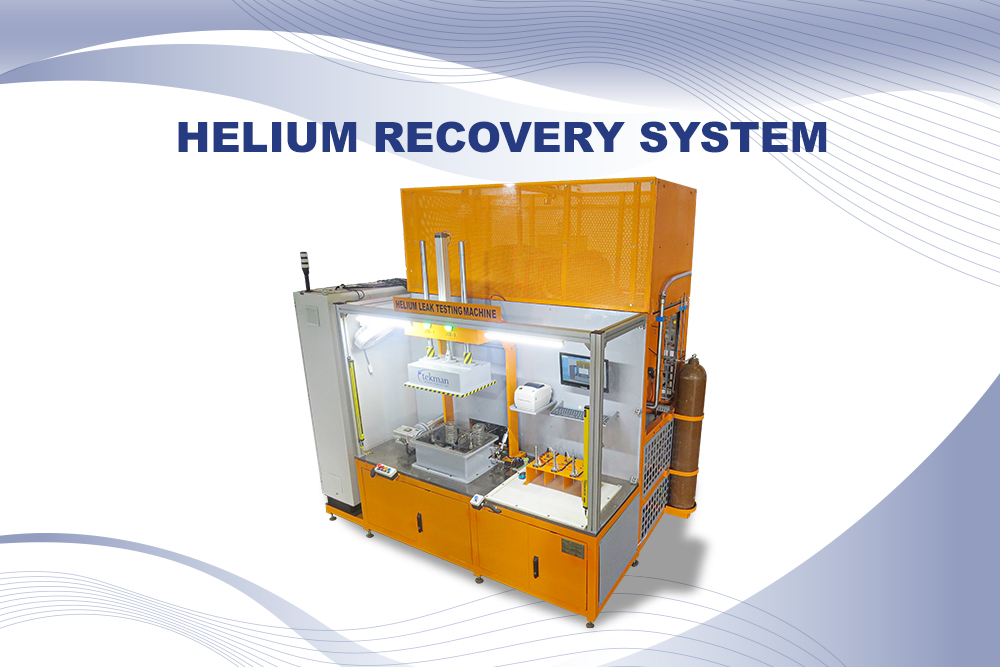
Helium recovery systems
A helium recovery system captures helium that would normally be lost after use. The system collects, purifies, compresses, and stores it for reuse within the same process instead of letting it go waste.
The basic process involves:
- Collection of used helium
- Removal of impurities through purification
- Compression and storage
- Reintroduction into industrial operations
This creates a closed-loop helium management system that significantly reduces wastage.
More Than Cost Savings: A Step Towards Business Continuity
By recovering and reusing helium, companies can:
- Reduce dependency on external helium suppliers
- Protect operations against supply disruptions
- Improve production reliability
- Lower long-term operating costs
- Increase resource efficiency
- Uninterrupted production gives a major competitive advantage.
The Future of Helium Management - Sustainability Through Resource Conservation
Helium is a finite natural resource which once lost in the atmosphere cannot be recovered. Helium recovery systems align with modern sustainability goals by reducing waste and improving industrial efficiency.
Helium recovery systems transform helium from a consumable expense into a reusable resource. For industries that uses Helium, this system is not an option—but a necessity to recover and reuse helium for business continuity.
To know more about Helium recovery system, connect with us at Tekman!