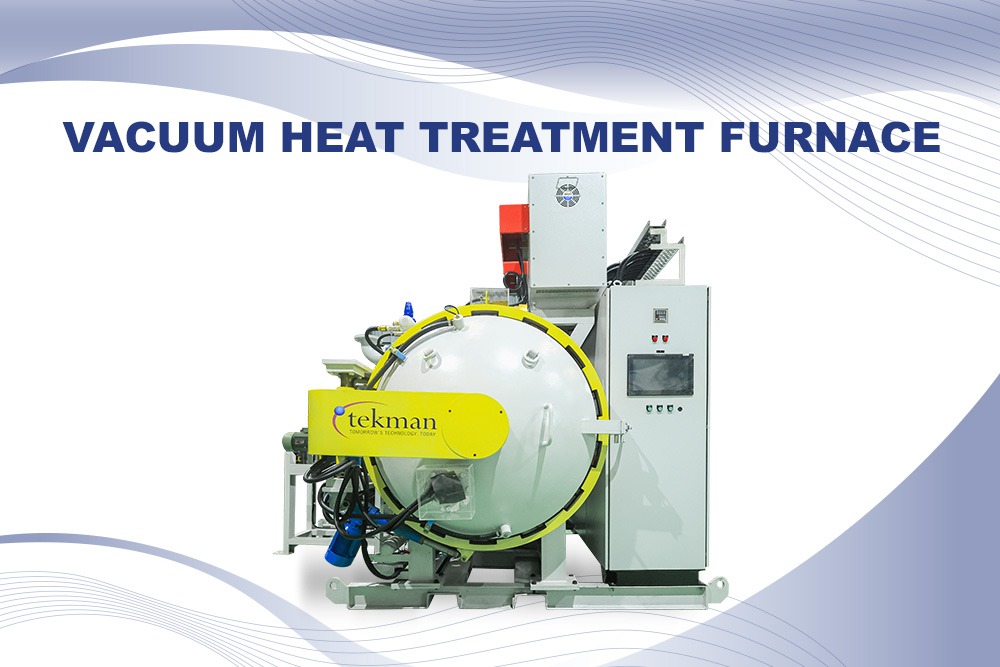

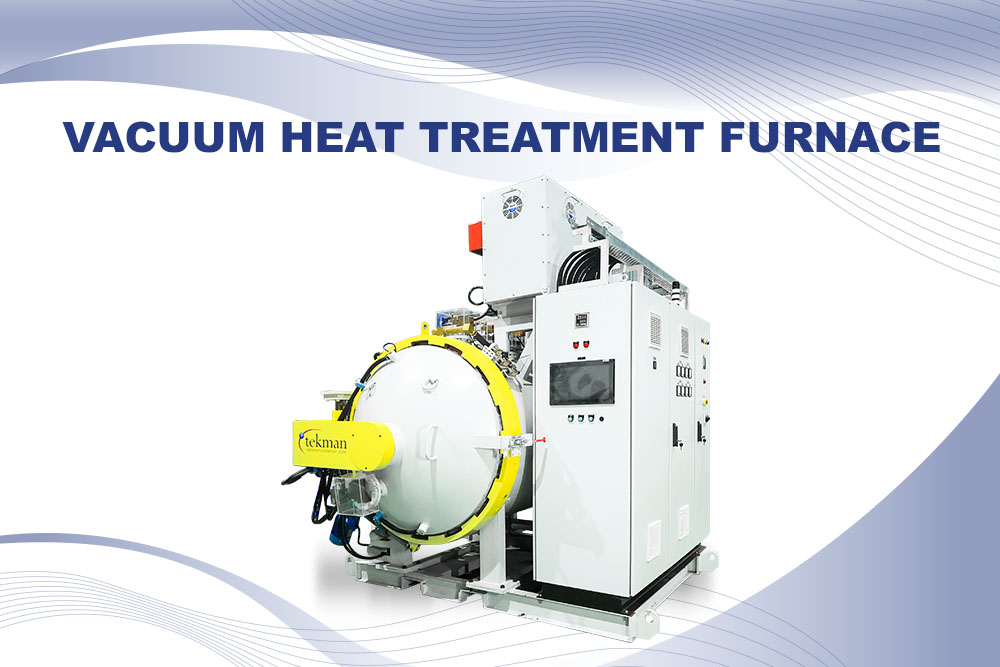
How does one join metal components with high strength, accuracy and reliability? Conventional brazing will not give you the contamination-free result. Hence you need Vacuum Brazing.
Vacuum brazing is a clean and precise metal-joining process that is carried out inside a vacuum furnace. What makes it effective is that it reduces oxidation and contamination during heating, as even a small amount of surface contamination can affect performance.
Hence it is used for high quality joints in aerospace, automotive components, heat exchangers, medical equipment and electronic assemblies.
What Is Vacuum Brazing?
Vacuum brazing is the process of a flux-free metal joining where two or more components are joined using a filler metal. The O2 levels are at low PPM hence it is flux-free.
What is the step-by-step process of Vacuum Brazing?
1. Preparation of the Components
Proper preparation ensures the quality of brazed joint. The surfaces that need to be joined is cleaned thoroughly to remove oil, grease, dust, machining residues and other contaminants like oxide layers. Surface preparation should be contamination free as it could interfere with the flow and wetting of the filler metal. This can weaken the joint.
Once it is cleaned, the parts are assembled with the required joint clearance.
Correct positioning is important to achieve uniform brazing. Foil, wire, paste, rings or preformed shapes are the forms in which the filler metal is placed on the joint.
2. High Vacuum creation
The assembled components are loaded into the furnace and the chamber is sealed.
The vacuum system removes the air, moisture and other gases from the chamber. Depending on the furnace design and application, vacuum levels can reach around 10⁻⁴ to 10⁻⁶ mbar.
The low-oxygen environment helps prevent oxidation during the heating cycle. A clean vacuum environment also allows the molten filler metal to wet the component surfaces effectively.
3. Heating the Assembly
After the required vacuum level is achieved, the heating cycle begins. The components are heated uniformly across the entire load. Controlled heating ensures the heat achieves the required brazing temperature gradually so that unnecessary thermal stresses can be avoided.
As the brazing temperature is reached, the filler metal melts and the base materials remain solid. The molten filler then spreads into the joint gap through capillary action. It fills the space between the mating surfaces and creates the required metallurgical bond.
The furnace holds the assembly at the brazing temperature for a predetermined period. This allows the filler metal to flow properly and ensures adequate wetting of the surfaces.
4. Controlled Cooling
Controlled heating and controlled cooling are equally important in this process.
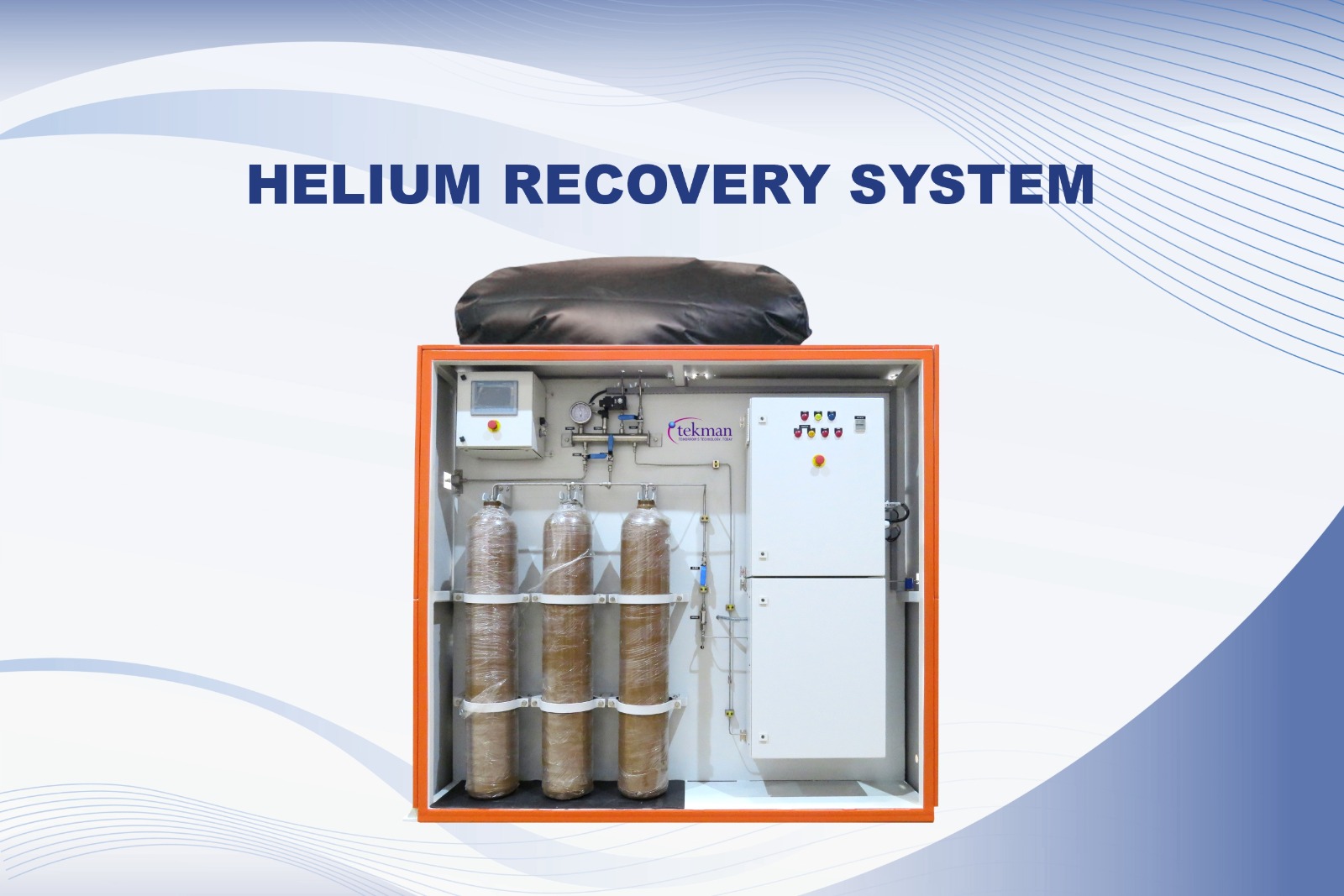
After the required holding time, the components are cooled according to the specified furnace cycle. Depending on the material and application, cooling may be carried out under vacuum or with a controlled flow of inert gas such as nitrogen, argon or helium.
A controlled cooling cycle helps minimise distortion and residual stresses. It also maintains the dimensional accuracy of the components.
5. Inspection and Quality Testing
Once the components have cooled, the furnace is safely brought back to atmospheric pressure, using clean and dry gas. The brazed components are removed and inspected.
Manufacturers inspect the quality through:
- Visual inspection
- Leak testing
- Ultrasonic testing
- X-ray inspection
The above helps identify incomplete joints, voids, leaks or other defects and ensure that the brazed assembly meets the required specifications.
Why Is Vacuum Brazing Preferred?
Vacuum Brazing offers several benefits for manufacturers who work with tight tolerances and demanding quality requirements. The following advantages make vacuum brazing a better alternative to conventional joining methods.
Clean joints: Minimal oxidation results in clean and bright brazed surfaces.
No flux residue: Since flux is not required, post-brazing cleaning is reduced.
Uniform heating: Furnace heating allows multiple components and complex assemblies to be processed together.
Less distortion: Carefully controlled heating and cooling help maintain component dimensions.
Repeatable results: Programmable temperature and vacuum cycles give greater process consistency.
Suitable for complex assemblies: Multiple joints can often be brazed simultaneously in a single furnace cycle.
Where Is Vacuum Brazing Furnace Used?
Some common applications of Vacuum brazing include:
- Aerospace: Engine components, structural assemblies and other high-performance parts
- Automotive: Heat exchangers, cooling systems and other thermal management components
- HVAC and refrigeration: Heat exchangers and refrigeration components
- Medical: Surgical instruments and specialised medical components
- Electronics: Semiconductor and electronic assemblies
- Vacuum technology: Vacuum equipment and components
- Industrial equipment: Precision assemblies requiring strong and reliable joints
Conclusion:
Vacuum brazing combines high vacuum, controlled heating and controlled cooling to create strong and clean metal joints without exposing the components to an oxidising atmosphere.
For industries where strength, cleanliness, precision and repeatability matter, vacuum brazing continues to be a reliable manufacturing solution. Contact us today to know more.