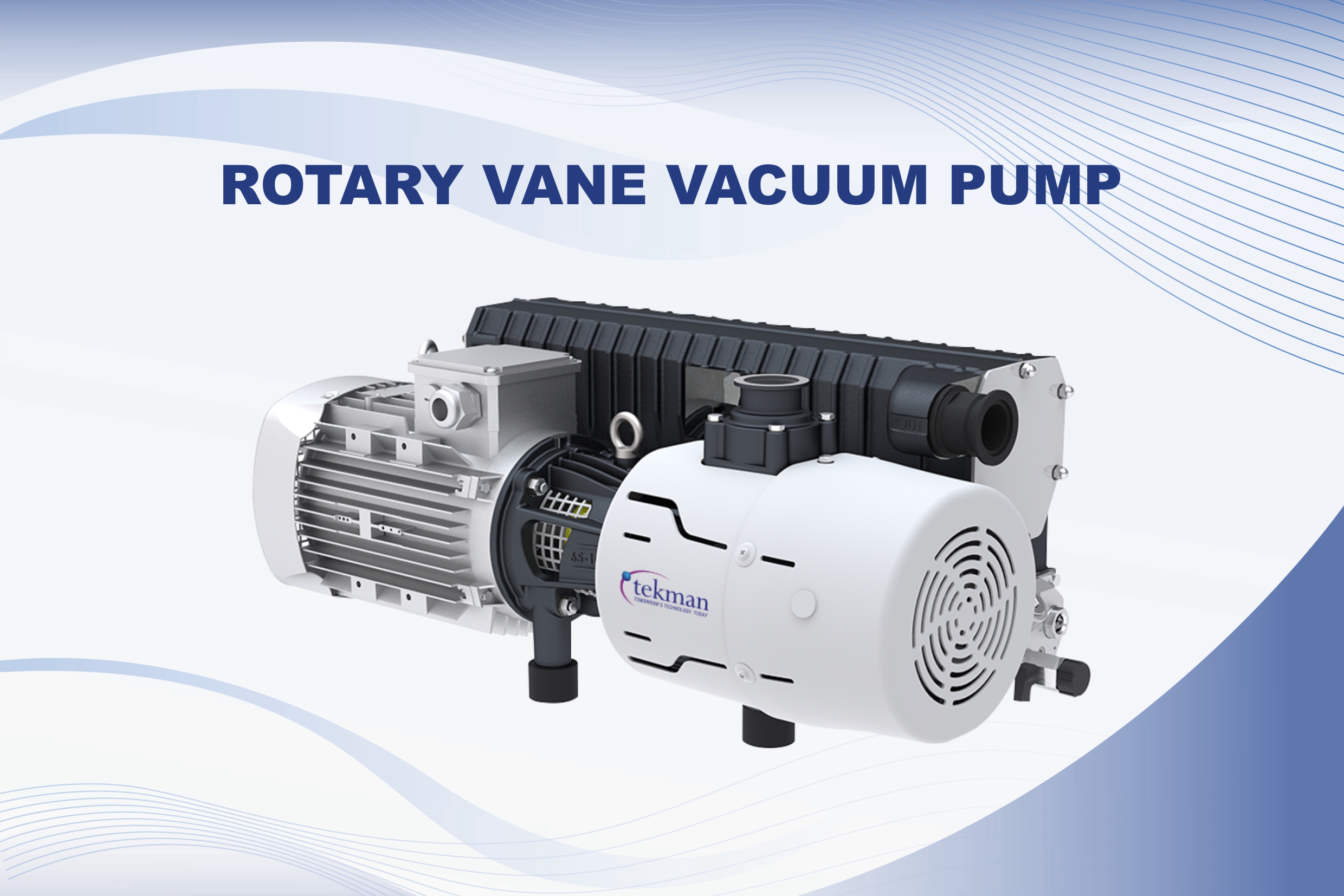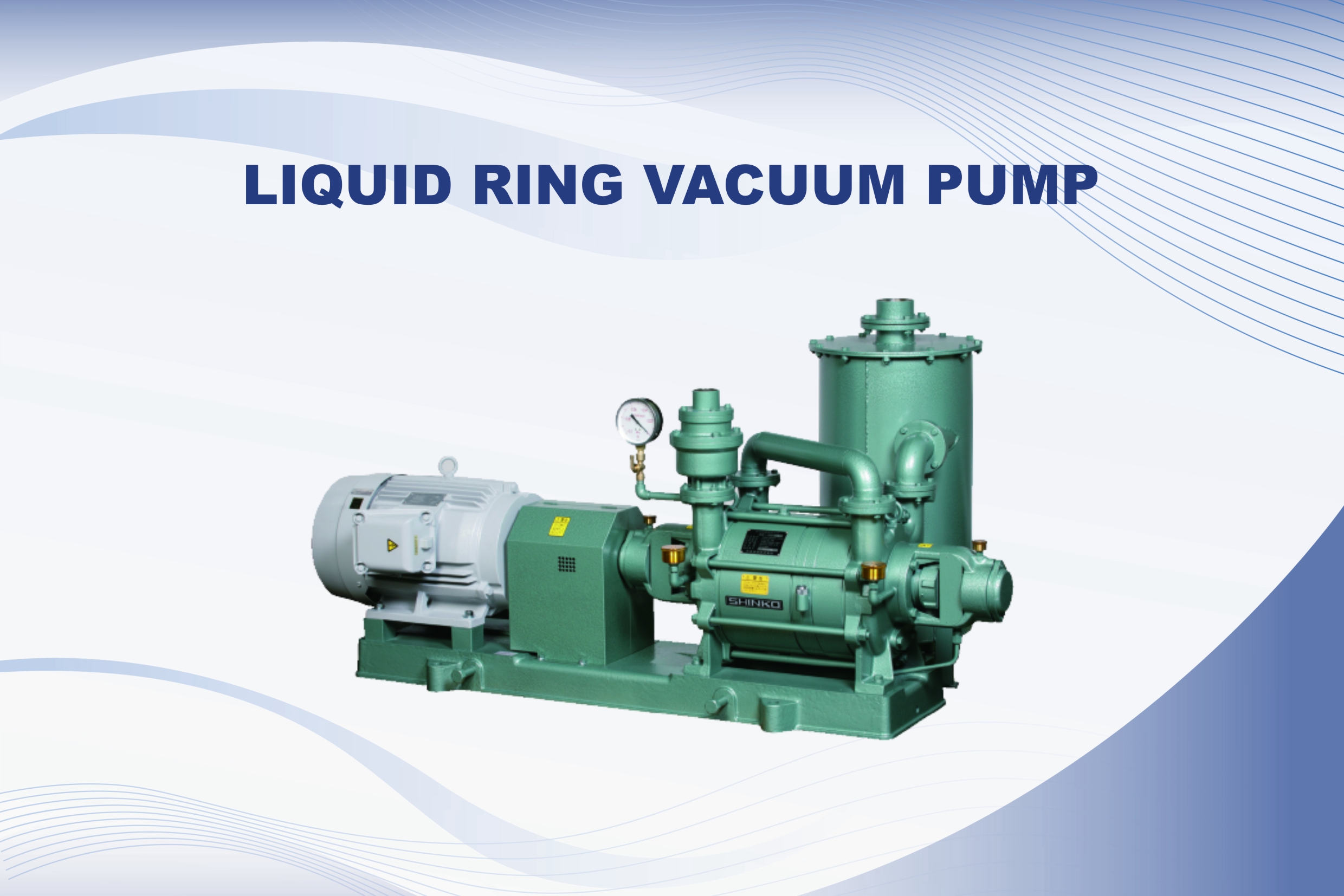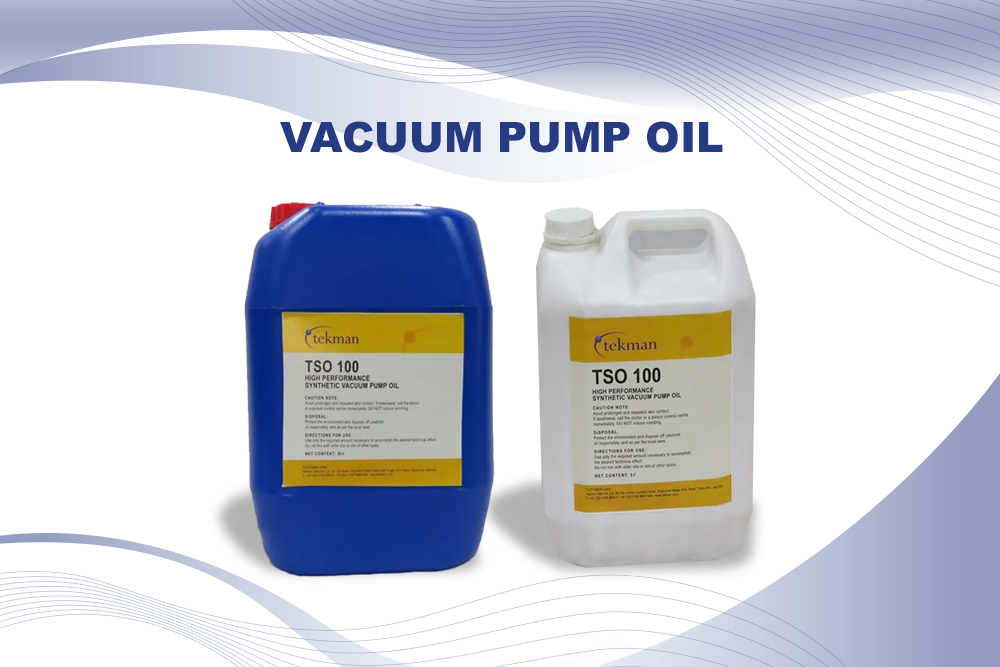
Be it a laboratory or a HVAC system, you will find the humble vacuum pump working consistently, but do you know behind this high performance pump the real star is the vacuum pump oil? Unbelievable right?
Don’t consider your Vacuum pump oil as a plain lubricant, it is the main support for your oil-lubricated vacuum pump. Wrong pump oil will lead to poor vacuum levels, excessive wear, and expensive breakdowns.
Would you like to know how to choose the best vacuum pump oil for your system so your pump runs smoother, longer, and more efficiently? Read on
Why Vacuum Pump Oil Matters
Vacuum pump oil has a major role in Vacuum pump as it helps with:
Sealing: It seals the internal clearances and helps your system maintain optimal vacuum levels.
Cooling: It removes heat from the compression chamber.
Contaminant Removal: It traps particles, moisture, and corrosive gases to prevent internal damage.
Types of Vacuum Pump Oil: Which One is Right for You?
When you choose the oil, you need to check whether it is the right one for your application, check the temperature conditions and the type of contaminants. Here are the common types of oil used in vacuum pump:
Mineral Oil-Based Vacuum Pump Oil
Refined petroleum is the base of Mineral oil-based vacuum pump oil. You will find it used for Rotary vane vacuum pumps.
- Budget-friendly and reliable
- Great for general-purpose use and HVAC systems
- Moderate thermal stability
Synthetic Vacuum Pump Oil
Synthetic vacuum pump oil is a man-made lubricant made using chemical compounds like polyalphaolefins, esters, or silicone-based fluids. It is best for specialized vacuum applications as it delivers top-notch performance, provides stability, and gives protection.l
- Excellent thermal & oxidative stability
- Perfect for high-temp or heavy-duty industrial environments
- Longer service life with minimal deposits
Hydrocarbon or Ester-Based Oils
Hydrocarbon or Ester-Based Oils are synthetic oil that has chemically modified hydrocarbons.
- Engineered for specialty uses like pharmaceuticals or semiconductor production
- High resistance to chemicals and extreme pressure
- Ideal for corrosive or sensitive environments
6 Key Factors to consider while choosing the Right Vacuum Pump Oil:
1. Pump Type
You are aware that different vacuum pumps would need different oils. Your manufacturer’s manual is the perfect guide to check the details about viscosity and oil specs.
2. Application
High-vacuum systems used in labs and electronics need low-vapor-pressure oils. For HVAC & refrigeration mineral oils work well.
3. Contamination Risk
Synthetic oil with enhanced chemical resistance or special additives works well if your application has corrosive gases or moisture. It can handle contamination.
4. Operating Temperature
Does your application generate heat or does it run hot? Then you should pick oil with high thermal stability to avoid breakdown and keep performance up.
5. Viscosity
Viscosity means the thickness and flow resistance and it is one of the most important factors to consider:
- Low viscosity: Flows easily, good for cold temps
- High viscosity: Thicker, better for sealing but may reduce efficiency if too thick
In high-heat environments, viscosity will drop. So, if it gets too low, the oil doesn’t provide needed lubrication or sealing and this leads to increased wear and reduces efficiency.
6. Volatility & Vapor Pressure
Low vapor pressure = better for vacuum systems because of
- Less oil evaporation
- Reduced contamination
- Stable vacuum levels
Pro Tips from Tekman India to Maintain Vacuum Pump Oil
Follow these simple practices to keep your system efficient with these simple practices:
- Check regularly: Monitor oil levels, colour, and clarity
- Change oil as per schedule: Don’t wait until your pump asks for it!
- Never mix oil types: Incompatible blends can cause damage. Always flush the system when switching oils
- Remember – your correct choice of oil makes all the difference.
Still unsure which oil to choose? Don’t hesitate, consult Tekman India for technical guidance and we will help you find the perfect match – superior-quality vacuum pump oils for your system. Let’s connect.