
“Quality means doing it right when no one is looking.” – Henry Ford.
In the modern manufacturing environment, this statement by Henry Ford holds more relevance than ever. Quality is not an optional benchmark; it is the foundation of survival and growth. Customers need consistency, reliability, and value, and they aren’t ready for compromise. Hence, Quality Control (QC) is the backbone of the manufacturing process. From raw material inspection to final product delivery, QC ensures that every output is as per the industry standards, regulatory requirements, and customer expectations. It isn’t a tool for defect detection; it makes the process efficient, strengthens brand reputation, and fuels sustainable growth.
What is Quality Control in Manufacturing?
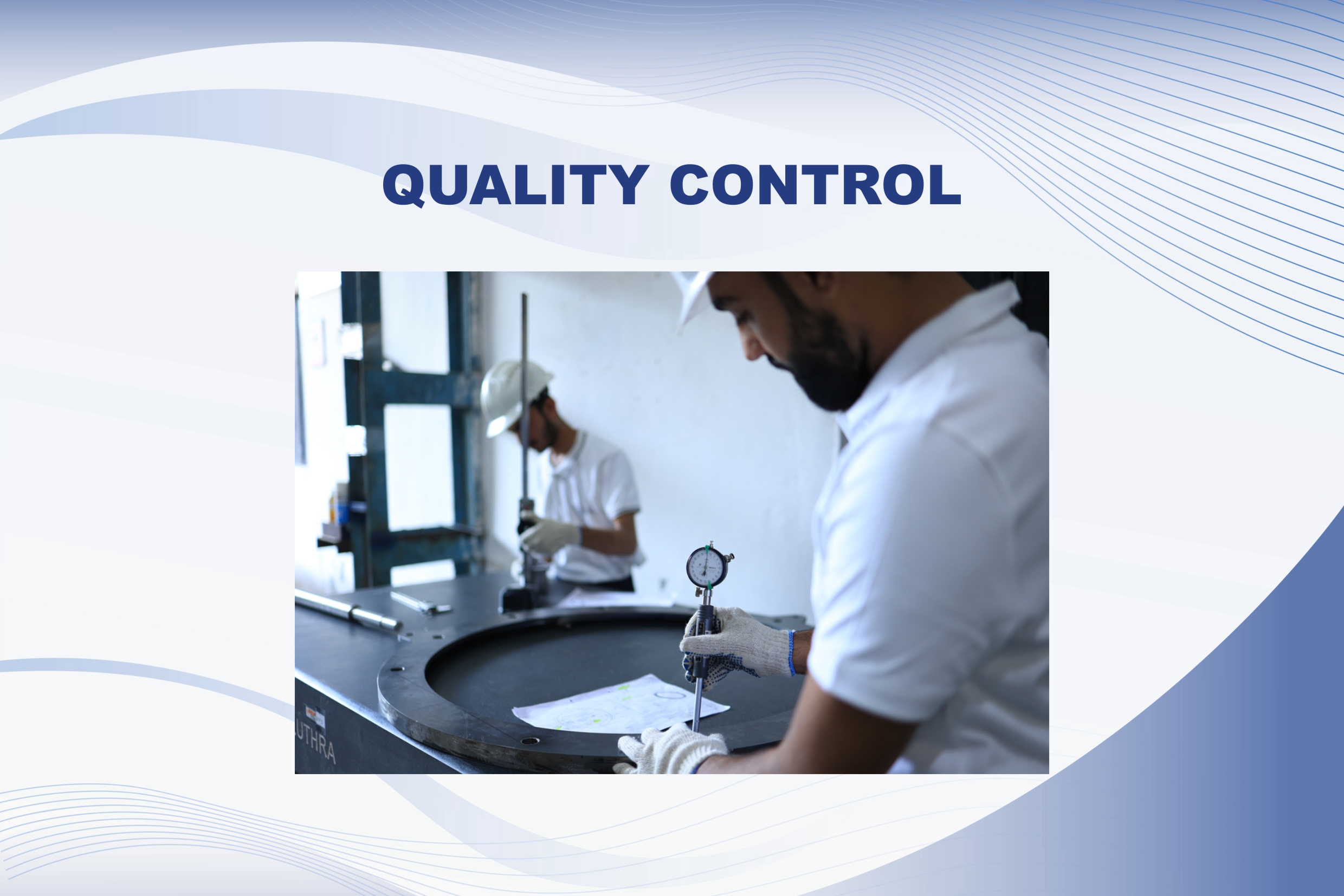
Quality Control (QC) is the structured process to monitor, test, and verify products at every stage of production so as to ensure they meet predefined specifications. It acts as a safeguard; it prevents substandard products from reaching customers and maintains brand credibility.
Key Objectives of Quality Control
- QC guarantees that products meet design, functional, and customer requirements.
- It helps to reduce waste, rework, and costs associated with defects.
- QC is the key to strengthening customer trust and long-term loyalty.
- It ensures compliance with global standards such as ISO 9001, Six Sigma, and Lean Manufacturing.
Core Functions of Quality Control in Manufacturing
Quality Control doesn’t mean the inspection of the end-product, it integrates into the entire production cycle:
- Incoming Material Inspection – QC process verifies the quality of raw materials and components before use.
- In-Process Quality Checks – Each production parameters are monitored in real-time to detect issues early.
- Final Product Testing – The finished goods are assessed for performance, safety, and durability before dispatch.
- Statistical Process Control (SPC) – Data analytics plays a huge role in minimizing process variability in QC. It also helps to maintain consistency.
- Corrective and Preventive Actions (CAPA) – Corrective actions are defined as QC helps to identify the root causes of defects and prevent from recurrence.
- Standard Operating Procedures (SOPs) – They establish a clear workflow to maintain uniformity.
- Calibration & Maintenance – It ensures equipment and tools function with accuracy.
- Documentation & Traceability – For traceability, it ensures detailed records are maintained for accountability and audits.
Why Quality Control is Critical in Manufacturing
- Enhances Customer Satisfaction
Customers prefer reliable and defect-free products. Consistently providing quality products strengthens brand trust, encourages repeat purchases, and fosters customer loyalty.
- Reduces Cost of Poor Quality
Since QC happens at every stage of manufacturing, defects, rework, and warranty claim expenses are significantly reduced. QC lowers hidden costs and safeguards profitability.
- Ensures Regulatory Compliance and Safety
QC ensures adherence to national and international safety standards. In industries like automotive, aerospace, or healthcare, robust QC can prevent catastrophic failures and safeguard human lives.
- Provides Competitive Advantage
Companies with consistent product quality gain a stronger foothold in the supply chain. Buyers and partners prefer dependable manufacturers.
- Boosts Efficiency and Productivity
QC streamlines workflows, eliminates bottlenecks, and enhances resource utilization through process monitoring and data-driven improvements.
- Drives Continuous Improvement
By integrating with Lean, Six Sigma, and Kaizen, QC supports ongoing enhancements in processes and standards to ensure long-term excellence.
Benefits of a Strong Quality Control System
- Higher Efficiency – Fewer interruptions and streamlined processes.
- Increased Productivity – Reduced waste and downtime improve output.
- Lower Operational Costs – Preventing defects saves money on rework and warranties.
- Improved Employee Morale – A culture of quality motivates teams and fosters pride in their work.
- Sustainable Growth – Consistent quality builds a loyal customer base and supports market expansion.
Building a Culture of Quality in Manufacturing
While technology and systems are essential, people remain the foundation of quality excellence. Manufacturers should:
- Train and empower employees to identify and resolve quality issues.
- Establish clear and consistent SOPs across operations.
- Conduct regular audits and implement continuous improvement programs.
- Align quality initiatives with broader organizational goals.
Conclusion
Quality control is not just about preventing errors—it’s about building trust, efficiency, and long-term growth. As W. Edwards Deming said, “Quality is everyone’s responsibility.” Manufacturers that embrace this mindset and embed quality into every process are the ones that will thrive in today’s competitive global market. It ensures customer satisfaction, reduces costs, enhances efficiency, and strengthens competitiveness. At our company, we have a strong Quality Control department that ensures consistent excellence across all our products—be it vacuum pumps, vacuum pumping system, vacuum furnaces, or leak testing systems.